APIs & Python
Learn what APIs mean in Python, when to use library and web APIs, how to call JSON endpoints, and how to create a small Flask API.
Read guideBeginner-friendly introductions and first-project walkthroughs.
APIs & Python
Learn what APIs mean in Python, when to use library and web APIs, how to call JSON endpoints, and how to create a small Flask API.
Read guideGetting Started
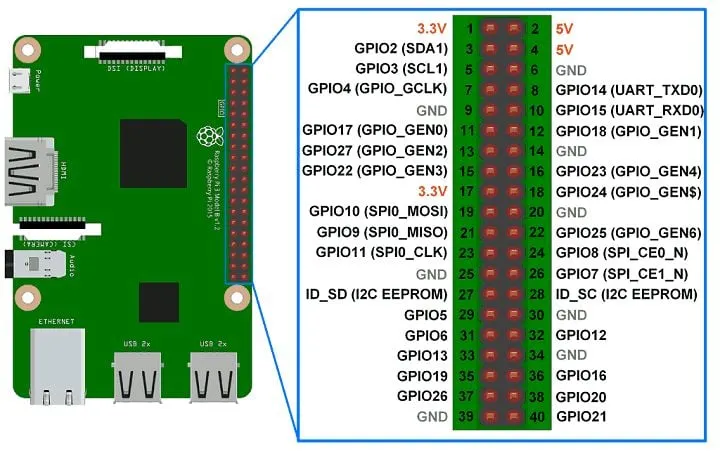
Learn how Raspberry Pi GPIO pins work, how BCM and physical numbering differ, and how to choose safe pins for LEDs, sensors, I²C, SPI and UART projects.
Read guideGetting Started
Understand API endpoints, URL paths, HTTP methods, JSON, credentials, and response codes with a practical Weather Station example.
Read guideGetting Started
Learn JSON objects, arrays, values, validation errors, and API request and response bodies with practical temperature examples.
Read guideGetting Started
Choose GET, POST, PATCH, or DELETE safely with a consistent Weather Station API example.
Read guideGetting Started
Understand API success, redirect, validation, authentication, rate-limit, and server-error responses.
Read guideGetting Started
Make, inspect, and troubleshoot your first authenticated API request with curl and safe credential placeholders.
Read guideGetting Started
Choose between collection history and a current static JSON payload for telemetry, settings, dashboards, and device state.
Read guideGetting Started
A practical checklist for secrets, retries, monitoring, recovery, updates, and device health.
Read guideGetting Started
Diagnose URL, credential, permission, validation, rate-limit, timeout, and server errors safely.
Read guide